Archives
- 2026-10
- 2026-09
- 2026-08
- 2026-07
- 2026-06
- 2026-05
- 2026-04
- 2026-03
- 2026-02
- 2026-01
- 2025-12
- 2025-11
- 2025-10
- 2025-09
- 2025-03
- 2025-02
- 2025-01
- 2024-12
- 2024-11
- 2024-10
- 2024-09
- 2024-08
- 2024-07
- 2024-06
- 2024-05
- 2024-04
- 2024-03
- 2024-02
- 2024-01
- 2023-12
- 2023-11
- 2023-10
- 2023-09
- 2023-08
- 2023-07
- 2023-06
- 2023-05
- 2023-04
- 2023-03
- 2023-02
- 2023-01
- 2022-12
- 2022-11
- 2022-10
- 2022-09
- 2022-08
- 2022-07
- 2022-06
- 2022-05
- 2022-04
- 2022-03
- 2022-02
- 2022-01
-
Endoplasmic reticulum ER stress resulting from
2024-02-23
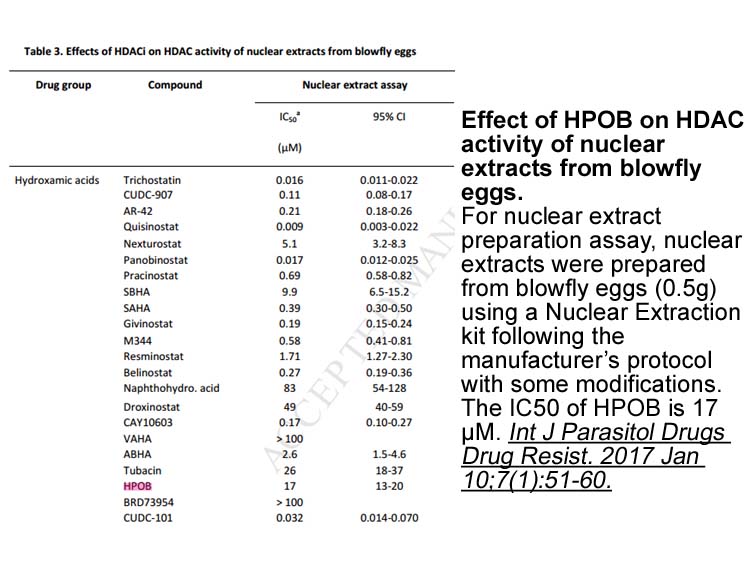
Endoplasmic reticulum (ER) stress resulting from accumulation of misfolded proteins in ER lumen stimulates a chain of adaptive responses termed as the unfolded protein response (UPR). Glucose related protein (GRP78/BiP), key ER chaperone essential for the activation of the ER-transmembrane signaling
-
It is noticed that MDL
2024-02-23
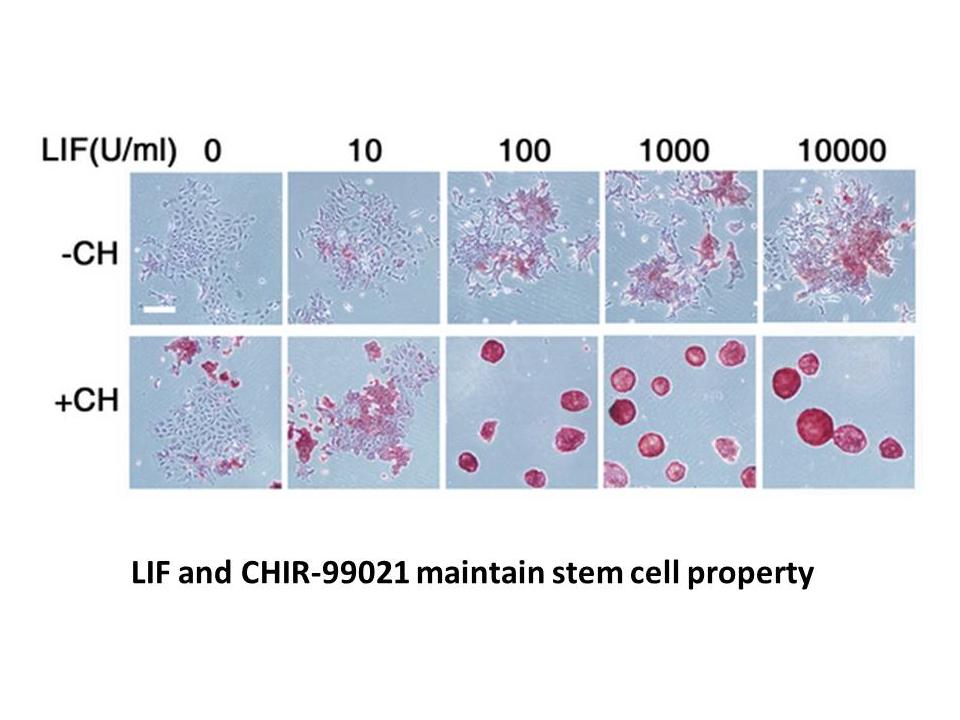
It is noticed that MDL-28170 only partly reversed isoflurane-induced AIF release and nuclear translocation. In addition to calpain mechanism, activation of the DNA repair enzyme poly (ADP-ribose) polymerase-1 (PARP-1) is also essential for AIF release (Culmsee et al., 2005; Moubarak et al., 2007), a
-
br Materials and methods br Results
2024-02-22

Materials and methods Results Discussion Our results revealed that LPS injection in rats impaired fear memory in the PA task. This results are in agreement with the most of previous studies reported that following acute [23,24,39,[45], [46], [47]] or chronic systemic PF-573228 [30] fear le
-
In addition a substantial knowledge
2024-02-22

In addition, a substantial knowledge has been gained about the main properties of AT1R, such as ligand preference, signaling, regulation, and trafficking. However, it is less known how AT1R and other plasma membrane receptors affect each other’s function, and how these crosstalk mechanisms can be ut
-
In the current investigation we studied
2024-02-22
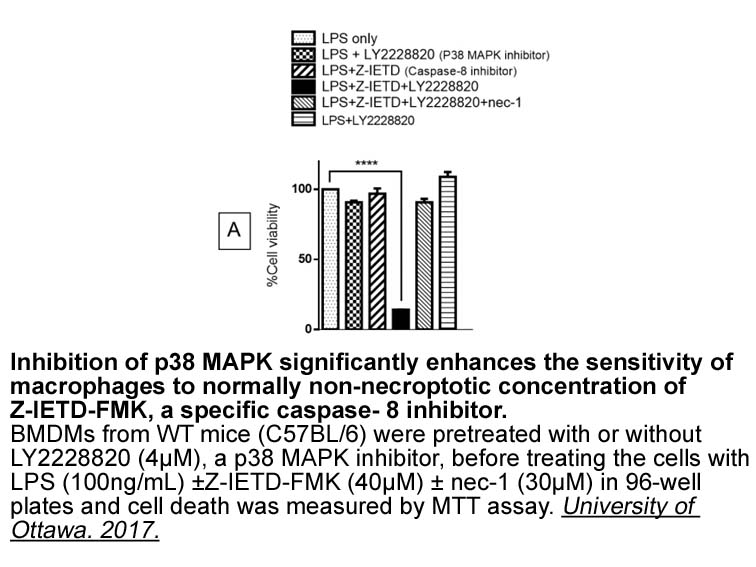
In the current investigation, we studied the effect of propofol on prostate cancer cells. Propofol is one of the most commonly used drugs in the critical care setting and for the induction of general anesthesia and moderate and deep sedation intraoperatively. Recent studies indicated that propofol e
-
br Experimental section br Results and discussion
2024-02-22
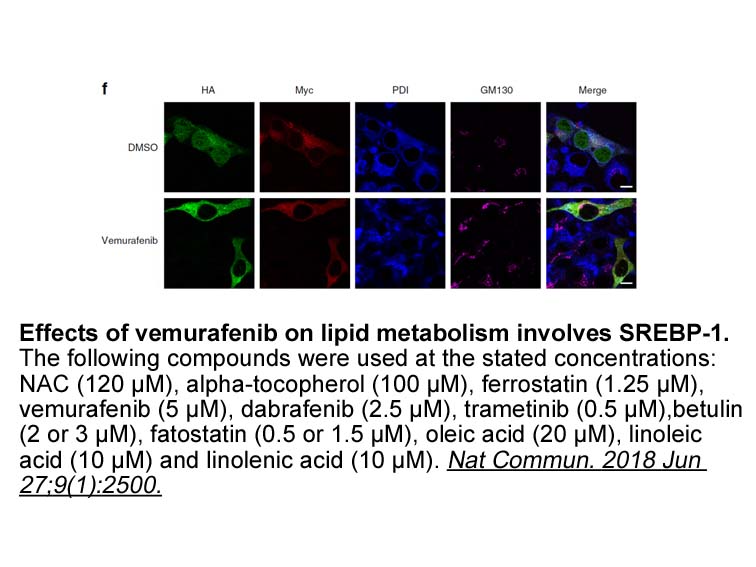
Experimental section Results and discussion Conclusion Acknowledgement This work was supported by the National Natural Science Foundation of China (Grant Nos. 81401489), the Shanghai Pujiang Program (17PJ1402800) and the Shanghai Sailing Program (Grant No. 14YF1409000). Introduction
-
MAPs require divalent transition metal ions as cofactors for
2024-02-22
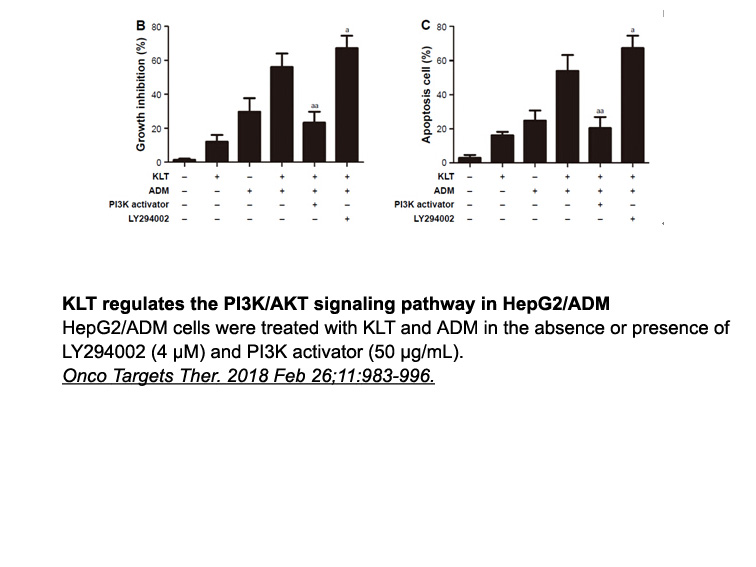
MAPs require divalent transition metal ions as cofactors for activity [21]. Previous studies on MAPs from different organisms indicate cobalt ions to be the most preferred divalent metal activator [22]. However, MAPs also exhibit activity with other divalent cations like Mn(II), Ca(II), Ni(II) or Fe
-
HsALDH enzyme has been purified for the first
2024-02-22
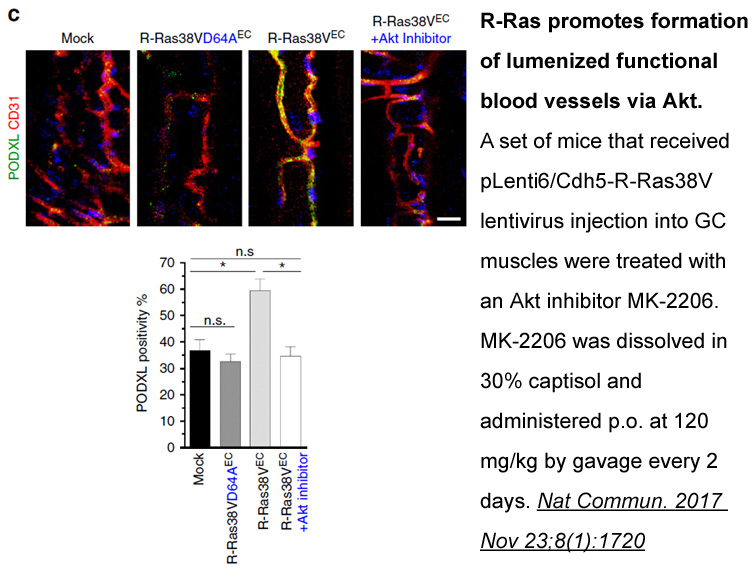
HsALDH enzyme has been purified for the first time in our laboratory from human saliva and has been kinetically characterized using different aromatic substrates [35]. Also, the effect of some common substances frequently encountered by the enzyme in the oral cavity (such as ethanol, hydrogen peroxi
-
In conclusion we show that
2024-02-22
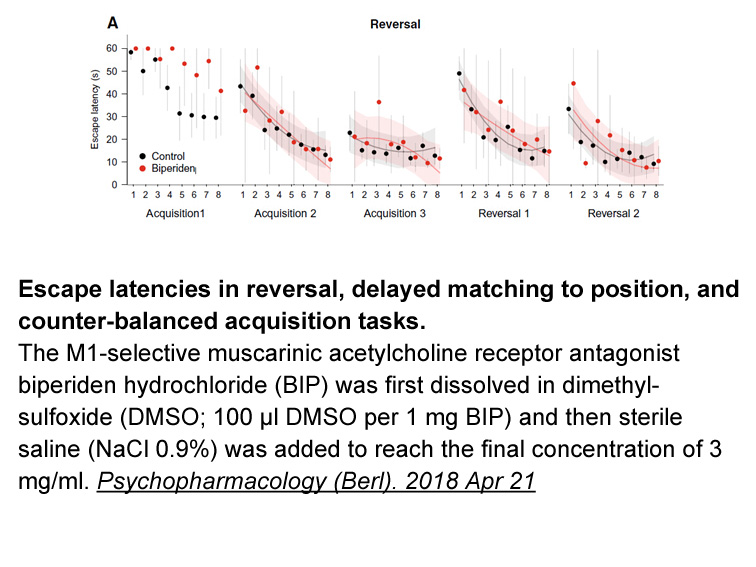
In conclusion, we show that HBP1 is phosphorylated on three sites, which control HBP1 transcriptional activity and glioblastoma cell proliferation. This phosphorylation largely depends on AKT, although other kinases may also be involved. In a previous study, we had shown that the PI3K-AKT pathway re
-
Unexpectedly under pathological pain conditions inhibition o
2024-02-22
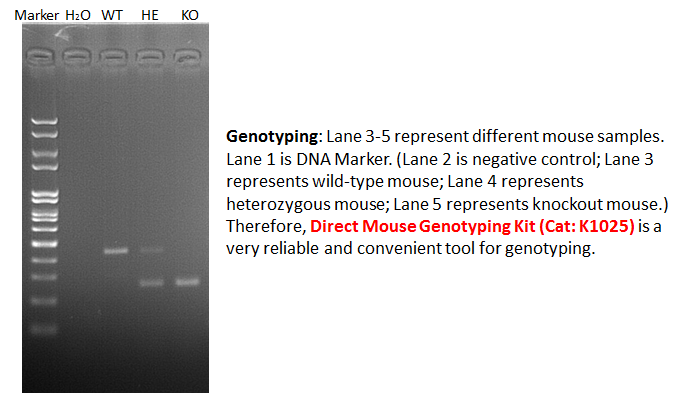
Unexpectedly, under pathological pain conditions, inhibition of spinal glutamate transporter activity can produce antinociceptive effects. For example, intrathecal injection of the transportable inhibitor trans-pyrrolidine-2,4-dicarboxylic Caspase Inhibitor Set I (t-PDC) or antisense oligonucleotide
-
In glaucoma the primary retinal defect
2024-02-22
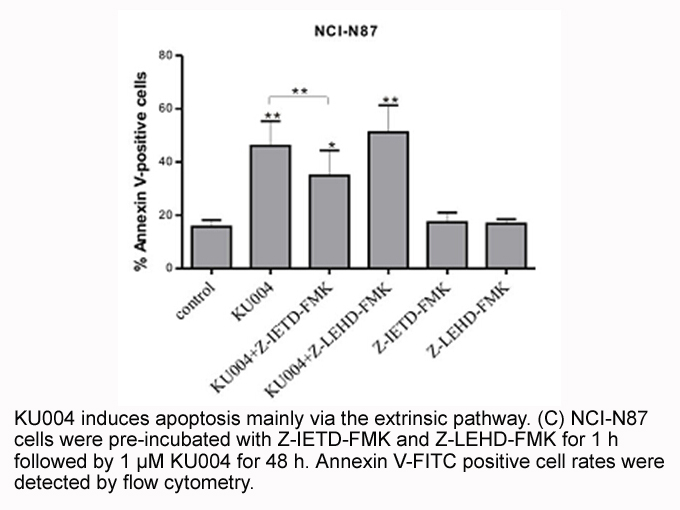
In glaucoma, the primary retinal defect appears in the GCL, whereas the other retinal layers appear normal (Kendell et al., 1995). In the current work, chronic elevation of IOP induced RGC apoptosis, especially in the GCL, and α2 adrenergic treatment reduced RGC apoptosis. Various studies have repor
-
Furthermore we found up regulated protein and mRNA levels of
2024-02-22
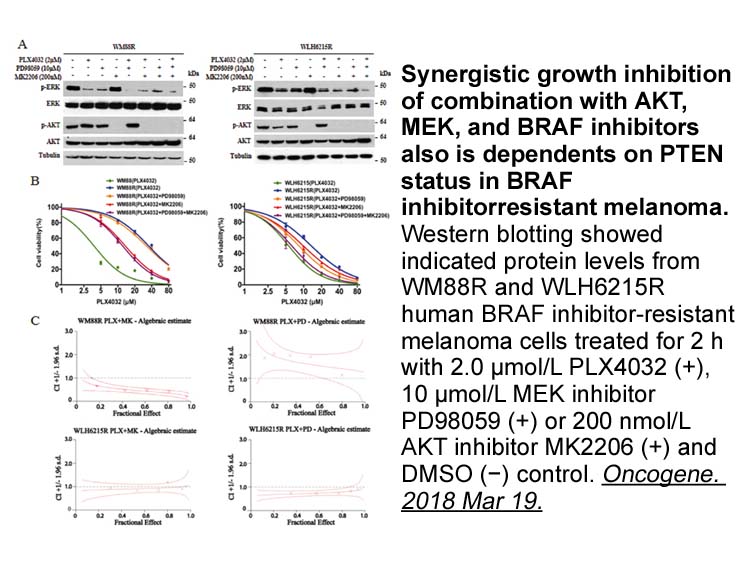
Furthermore, we found up-regulated protein and mRNA levels of adenosine kinase in mouse retina with TON. The up-regulation of ADK was previously demonstrated in diabetic retinopathy (Pang et al., 2010). Greater levels of ADK in activated macrophages and microglial cells abrogate the immune response.
-
Further evidence for ACh GABA cotransmission had also
2024-02-22

Further evidence for ACh/GABA cotransmission had also been observed in the cortex. Extensive axonal arborization from cholinergic BF neurons exists throughout the cortical layers, allowing direct observation of cholinergic synaptic terminals. One study in the visual cortex of cat examined immunolabe
-
StemRegenin 1 In contrast to TPX members
2024-02-22
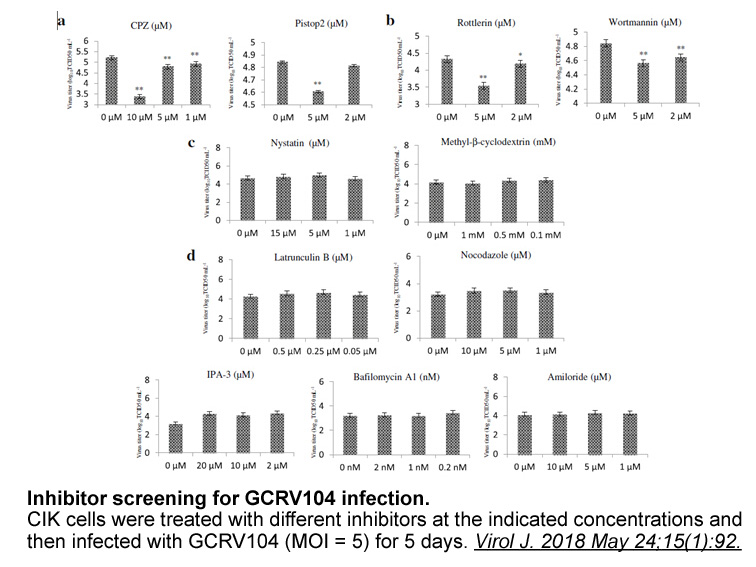
In StemRegenin 1 to TPX2, members of the CPC (Figure 1B), such as survivin, borealin, and INCEN-P, which associate with Aurora B/C in animals, do not appear to have obvious homologs in plants. Recently, however, a putative INCEN-P homolog, termed WYRD, has been identified [34]. Sequence comparison b
-
Although the LB domains of mGlu receptors
2024-02-22
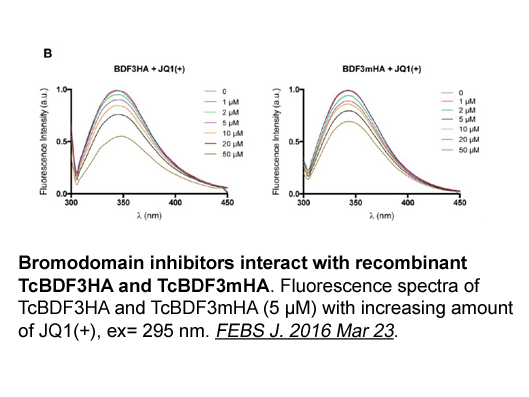
Although the LB2 domains of mGlu receptors have not been shown to form an extensive interface during activation, they do draw closer to each other, as demonstrated in crystal structures (Kunishima et al., 2000, Muto et al., 2007, Tsuchiya et al., 2002) and by FRET analysis (Doumazane et al., 2013, V
8466 records 223/565 page Previous Next First page 上5页 221222223224225 下5页 Last page